
Aesthetic Dermatology · Under-Eye Circles & Puffiness
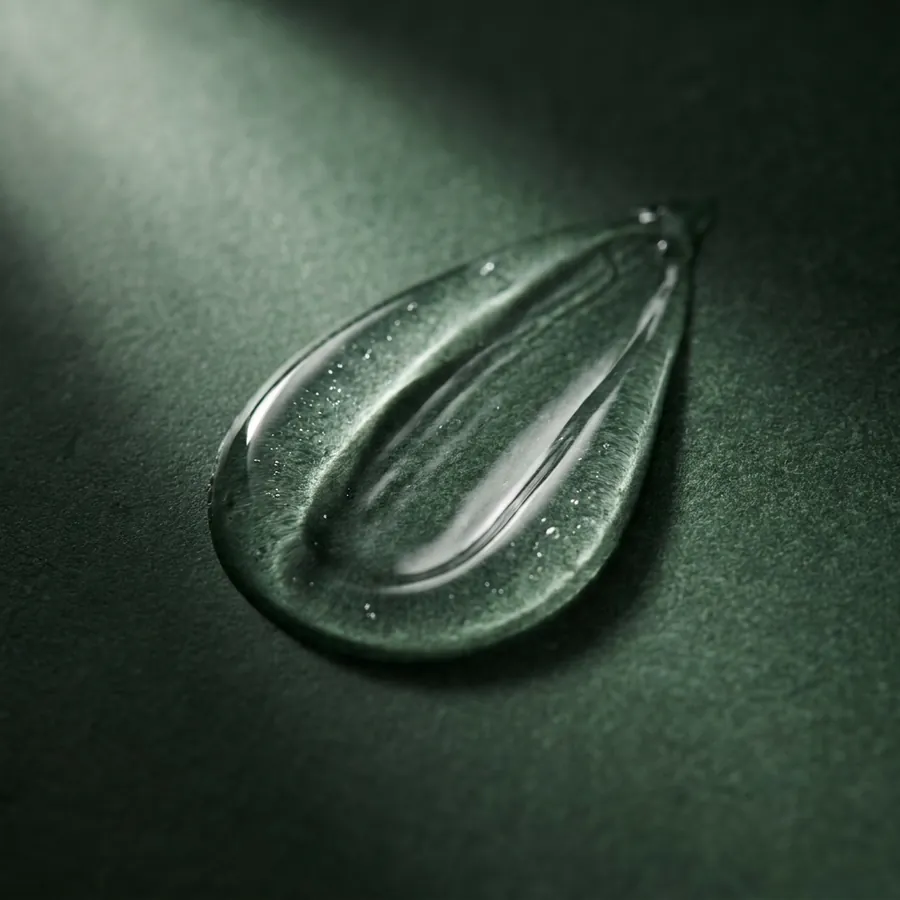
A compounded under-eye serum.
Skin under the eyes is very thin, so pigment, fluid and blood vessels show through. Prescribers sometimes order a compounded serum that combines caffeine, niacinamide, vitamin C and hyaluronic acid.

How prescribers use compounding for under-eye circles & puffiness
Caffeine
Caffeine is a common ingredient in topical eye formulas.
Niacinamide and vitamin C
Niacinamide and vitamin C are ingredients used for uneven skin tone.
Hyaluronic acid
Hyaluronic acid holds water in the skin. The base leaves out fragrance.
What to Expect
What to expect from the process
Step 1
Your prescriber decides
They decide whether a compounded formula fits you, and set the strength, form and length of use.
Step 2
A pharmacist checks it
We review the prescription for dose, interactions and ingredient compatibility before we make anything.
Step 3
A pharmacist counsels you
We explain how to use and store it, the beyond-use date, and which side effects to report.
Step 4
Follow-up is with your prescriber
Ask your prescriber how long before a review and what side effects to report. Changes need a new prescription.
Responses vary from person to person.
The Active Ingredients
Ingredients prescribers use for under-eye circles & puffiness


Caffeine (Topical)
scalp stimulation · under-eye puffiness
Full ingredient profileNiacinamide
barrier support · tone · oil control
Full ingredient profileVitamin C (L-Ascorbic Acid / stable derivatives)
brightening · antioxidant
Full ingredient profileHyaluronic Acid (Sodium Hyaluronate)
hydration · barrier support
Full ingredient profileFormulas for under-eye circles & puffiness
Patient-specific prescriptions. Your prescriber sets the exact strengths and base.
Common questions
With every prescription
What comes with it
Pharmacist review
Every prescription is checked for interactions, dosing and formulation compatibility before it is made.
Made to national standards
Prepared in our licensed pharmacy with checks at every step.
Shipping or pickup
Plain packaging shipped across California, or pickup at the pharmacy on Pico Blvd.
A pharmacist afterwards
Call with a question and you reach the pharmacist who made it.
It starts with a prescription.
Share this page with your prescriber. Questions about a prescription? Call a pharmacist.
Please note: Compounded medications require a prescription from a licensed prescriber for an individual patient. Compounded medications are not FDA-approved. The FDA does not review them for safety, effectiveness or quality. A compounded medication is not the same as, or a generic version of, any FDA-approved drug. This page is general information, not medical advice. Your prescriber decides whether a treatment is right for you and sets the final ingredients, strength and dosage form.